
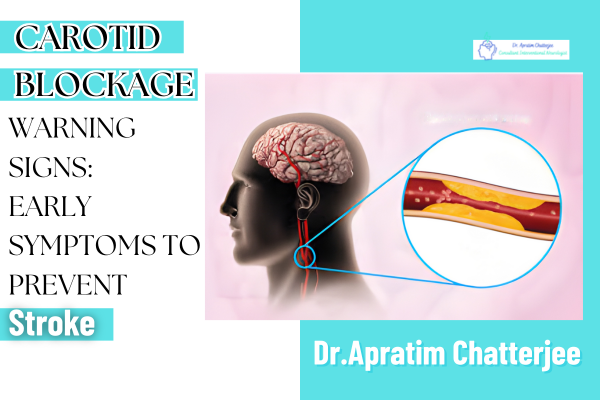
Carotid Blockage: Warning Signs You Should Never Ignore Before a Stroke
Stroke often strikes without warning—but in many cases, the body sends subtle signals well in advance. One of the most important yet commonly overlooked causes is carotid artery blockage, a serious condition that can quietly progress and lead to life-threatening complications if not detected early.
What Is Carotid Blockage?
The carotid arteries are the main blood vessels that supply oxygen-rich blood to the brain. Over time, fat and cholesterol can accumulate on the artery walls, causing narrowing or blockage. This reduces blood flow to the brain and may result in a Transient Ischemic Attack (TIA), often called a mini-stroke, or a full-blown stroke.
Early Warning Signs to Watch For
Carotid blockage may not cause pain, but it can produce sudden neurological symptoms such as:
Sudden blurred or reduced vision in one eye
Numbness or weakness on one side of the face, arm, or leg
Slurred speech or difficulty understanding words
Sudden dizziness or loss of balance
A “bruit” sound in the neck (detected by a doctor using a stethoscope)
Expert Insight
According to Dr. Apratim Chatterjee, carotid blockage often develops silently. Many people ignore early symptoms, unaware that the condition can suddenly trigger a major stroke if left untreated. Early diagnosis can be life-saving.
Diagnosis and Modern Treatment Options
With advances in interventional neurology, carotid blockage can now be accurately diagnosed and effectively treated using:
Duplex Ultrasound and Carotid Angiography for precise evaluation
Carotid Stenting, where a small stent restores normal blood flow
Balloon Angioplasty, which widens the narrowed artery
Act Early, Stay Protected
Recognizing early warning signs and consulting a specialist at the right time can significantly reduce the risk of stroke. Timely medical intervention not only prevents severe complications but also helps preserve brain health and quality of life.