A Normal Morning That Changed in an Instant
At 61, Mr. Debashis Roy was enjoying his retirement. He loved taking morning walks, reading the newspaper, and spending quality time with his grandchildren.
One morning, while having breakfast, his wife noticed something alarming.
The right side of his face suddenly drooped.
His speech became slurred.
When he tried to lift his right arm, he couldn’t.
Within moments, panic spread through the family.
Fortunately, they recognized these as possible signs of a stroke and rushed him immediately to the hospital.
Following emergency brain imaging, doctors confirmed that he had suffered an Ischemic Stroke caused by a blood clot in the brain.
Time was critical.
His family sought the expertise of Dr. Apratim Chatterjee, an experienced Consultant Interventional Neurologist & Stroke Specialist, known for advanced stroke diagnosis and emergency neurointerventional treatment.
That quick decision became the turning point in Debashis’ recovery.
________________________________________
Understanding Stroke (Blood Clot in the Brain)
Dr. Chatterjee explained the condition carefully to the family.
What is an Ischemic Stroke?
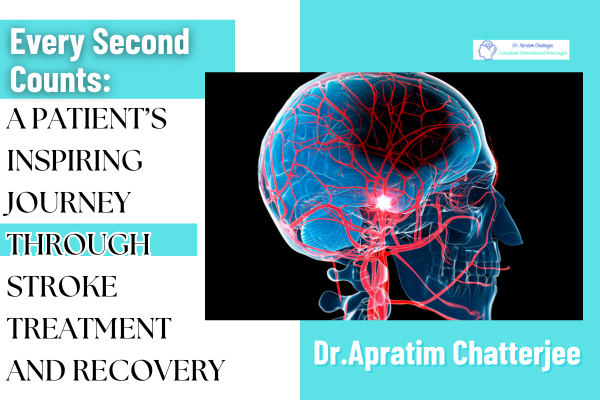
An Ischemic Stroke occurs when a blood clot blocks one of the arteries supplying blood to the brain.
Without oxygen-rich blood, brain cells begin to suffer damage within minutes.
This is why stroke is considered a true medical emergency.
Rapid diagnosis and timely treatment can significantly improve recovery and reduce long-term disability.
________________________________________
Common Warning Signs of Stroke
Remember the FAST warning signs:
F – Face Drooping
One side of the face suddenly droops or feels numb.
A – Arm Weakness
Difficulty lifting one arm or sudden weakness.
S – Speech Difficulty
Slurred speech or inability to speak clearly.
T – Time to Call Emergency Medical Services
Immediate medical attention can save brain tissue and improve outcomes.
Other symptoms may include:
• Sudden numbness
• Vision changes
• Severe dizziness
• Difficulty walking
• Loss of balance
• Sudden severe headache
• Confusion
Never ignore these symptoms, even if they disappear quickly.
________________________________________
Who Is at Risk?
Several medical conditions increase stroke risk:
• High blood pressure
• Diabetes
• High cholesterol
• Smoking
• Heart disease
• Irregular heartbeat (Atrial Fibrillation)
• Obesity
• Sedentary lifestyle
• Family history of stroke
Managing these risk factors plays an important role in stroke prevention.
________________________________________
The Emotional Impact of Stroke
For Debashis and his family, the diagnosis was overwhelming.
They feared:
• Permanent paralysis
• Loss of speech
• Memory problems
• Loss of independence
• Long-term disability
Dr. Chatterjee reassured them that early treatment offers the best opportunity for meaningful recovery.
He emphasized that every minute counts because “time is brain.”
________________________________________
Expert Stroke Care with Dr. Apratim Chatterjee
Dr. Chatterjee specializes in rapid stroke diagnosis and advanced neurovascular treatment.
His comprehensive stroke care includes:
• Emergency neurological assessment
• CT Scan and MRI Brain
• CT Angiography or MR Angiography when indicated
• Rapid stroke diagnosis
• Clot-busting therapy (when clinically appropriate and within the treatment window)
• Mechanical thrombectomy for eligible patients
• Intensive stroke monitoring
• Neurorehabilitation planning
• Long-term stroke prevention
Every treatment plan is tailored according to the patient’s condition, imaging findings, and timing of presentation.
________________________________________
Debashis’ Personalized Stroke Treatment Journey
Following emergency evaluation, Dr. Chatterjee quickly initiated the most appropriate treatment.
His Care Included:
• Emergency neurological examination
• Brain imaging
• Stroke severity assessment
• Clot-specific treatment when clinically appropriate
• Blood pressure stabilization
• Intensive monitoring
• Physiotherapy
• Occupational therapy
• Speech therapy
• Lifestyle modification counseling
• Long-term follow-up
The primary goal was to restore brain function, minimize disability, and help Debashis return to an independent life.
________________________________________
Why Early Stroke Treatment Matters
Rapid medical intervention can significantly improve outcomes.
Potential Benefits Include:
• Reduced brain damage
• Better recovery of speech and movement
• Lower disability
• Faster rehabilitation
• Improved independence
• Better quality of life
• Reduced risk of future stroke
Early arrival at a specialized stroke center offers the greatest opportunity for effective treatment.
________________________________________
Recovery Journey: One Small Victory at a Time
Recovery required determination, patience, and support.
Initially, Debashis required assistance while walking.
With dedicated rehabilitation, his speech gradually improved.
His arm strength returned little by little.
Each week brought visible progress.
Several months later, he resumed his morning walks and enjoyed conversations with his family once again.
Although recovery took time, he regained confidence and independence.
His journey became a powerful reminder that early recognition and expert stroke care can change lives.
________________________________________
Looking Toward a Healthier Tomorrow
Today, Debashis follows a heart-healthy lifestyle, takes his prescribed medications regularly, exercises under medical guidance, and attends routine neurological follow-ups.
He now encourages everyone to learn the FAST warning signs of stroke and seek immediate medical care if symptoms appear.
His story demonstrates that timely treatment, advanced neurointerventional care, and structured rehabilitation can dramatically improve recovery after stroke.
Under the supervision of Dr. Apratim Chatterjee, what began as a life-threatening emergency became a journey of healing, resilience, and renewed hope.
________________________________________
Frequently Asked Questions (FAQs)
What is an ischemic stroke?
An ischemic stroke occurs when a blood clot blocks an artery supplying blood to the brain, reducing oxygen delivery and causing brain cell damage.
What are the first warning signs of stroke?
Sudden facial drooping, arm weakness, slurred speech, vision changes, dizziness, and difficulty walking are important warning signs.
Why is early treatment so important?
Brain cells begin to suffer damage within minutes. Prompt medical treatment greatly improves the chances of recovery and reduces disability.
What is mechanical thrombectomy?
Mechanical thrombectomy is an advanced minimally invasive procedure used in selected patients to remove large blood clots from brain arteries and restore blood flow.
Can stroke patients recover completely?
Recovery varies depending on the severity of the stroke, how quickly treatment begins, the area of the brain affected, and rehabilitation. Many patients experience significant improvement with timely treatment and ongoing therapy.
How can I reduce my stroke risk?
Control blood pressure, diabetes, and cholesterol, avoid smoking, maintain a healthy weight, exercise regularly, follow a balanced diet, and attend regular health check-ups.
________________________________________
Conclusion: Every Minute Matters in Stroke Care
A stroke can occur without warning, but rapid recognition and immediate medical treatment can make a life-changing difference.
Under the expert supervision of Dr. Apratim Chatterjee, Consultant Interventional Neurologist & Stroke Specialist, patients receive rapid diagnosis, advanced stroke treatment, neurointerventional expertise, comprehensive rehabilitation, and personalized long-term stroke prevention.
Debashis’ inspiring recovery reminds us that learning the warning signs of stroke could save a life. With early diagnosis, specialized neurological care, modern treatment options, and dedicated rehabilitation, many patients can regain independence, restore confidence, and embrace a healthier future.