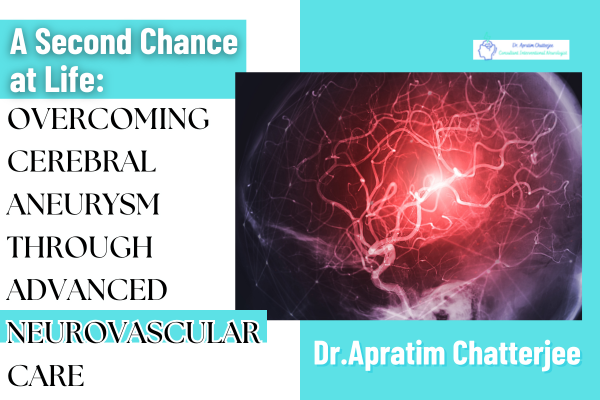
Introduction: When a Sudden Headache Changed Everything
At 46, Mrs. Shalini Mukherjee was leading a healthy and active life when she suddenly experienced the worst headache she had ever felt.
The pain was intense, accompanied by dizziness, blurred vision, and nausea. Initially, her family assumed it was a migraine or stress-related problem. But within hours, her symptoms worsened, and she began struggling to speak clearly.
Recognizing the seriousness of the situation, her family rushed her for emergency medical evaluation. Advanced brain imaging later revealed a dangerous Cerebral Aneurysm — a potentially life-threatening condition affecting the blood vessels in the brain.
________________________________________
Understanding Cerebral Aneurysm
Cerebral Aneurysm occurs when a weak area in a blood vessel wall inside the brain bulges outward like a balloon.
If left untreated, the aneurysm may rupture, causing bleeding in the brain, stroke, severe neurological damage, or even death. Early diagnosis and expert neurovascular care are extremely important.
Common symptoms of cerebral aneurysm may include:
• Sudden severe headache
• Blurred or double vision
• Dizziness or loss of balance
• Neck pain or stiffness
• Nausea and vomiting
• Difficulty speaking
• Weakness or numbness
In some cases, aneurysms may remain silent until they become critical.
________________________________________
Emotional and Physical Challenges After Diagnosis
The diagnosis deeply affected Shalini and her family emotionally.
She struggled with:
• Fear of brain surgery or stroke
• Anxiety about neurological complications
• Emotional stress and uncertainty
• Concerns about memory, speech, and mobility
• Fear of sudden aneurysm rupture
Like many neurological patients, she needed both advanced medical treatment and emotional reassurance during recovery.
________________________________________
Expert Consultation with Dr Apratim Chatterjee
Searching for specialized neurovascular care, Shalini consulted Dr Apratim Chatterjee, a Consultant Interventional Neurologist & Stroke Specialist known for expertise in advanced brain and vascular procedures.
After reviewing MRI scans, angiography reports, and neurological evaluations, Dr. Chatterjee explained the severity of the aneurysm and recommended immediate interventional treatment to prevent rupture and protect brain function.
His calm explanation and patient-focused approach gave Shalini and her family confidence during one of the most frightening moments of their lives.
________________________________________
Advanced Treatment for Cerebral Aneurysm
Modern interventional neurology now offers highly advanced minimally invasive treatment options for Cerebral Aneurysm.
Treatment options may include:
• Endovascular coiling procedures
• Flow diverter stent placement
• Neurovascular intervention techniques
• Stroke prevention management
• Advanced imaging-guided treatment
• Intensive neurological monitoring and rehabilitation
Dr. Chatterjee designed a personalized treatment plan focused on stabilizing the aneurysm, reducing neurological risk, and supporting long-term recovery.
________________________________________
Why Early Neurological Treatment Matters
A cerebral aneurysm can become life-threatening if diagnosis or treatment is delayed.
Early intervention helps:
• Reduce the risk of aneurysm rupture
• Prevent stroke and brain damage
• Improve neurological recovery outcomes
• Preserve speech, memory, and movement
• Increase long-term survival and quality of life
Modern neurointerventional procedures now allow safer and more precise aneurysm treatment than ever before.
________________________________________
Recovery Journey: Healing with Strength and Hope
The recovery process required close neurological monitoring, rehabilitation, and emotional support.
Key milestones during Shalini’s recovery included:
• Successful stabilization of the aneurysm
• Gradual improvement in neurological symptoms
• Better speech clarity and physical balance
• Increased emotional confidence and independence
• Return to normal daily activities with medical guidance
With continuous follow-up care and rehabilitation support, she steadily regained strength and confidence.
________________________________________
Final Outcome: A New Beginning After a Life-Threatening Condition
Today, Shalini Mukherjee is living a healthier and more positive life after successful cerebral aneurysm treatment.
She now values every moment more deeply and encourages others never to ignore sudden severe headaches or neurological symptoms. Her journey reflects how advanced neurovascular care, timely diagnosis, and expert intervention can save lives and restore hope.
________________________________________
Frequently Asked Questions (FAQ): Cerebral Aneurysm
What is a cerebral aneurysm?
Cerebral Aneurysm is a weakened area in a brain blood vessel that bulges outward and may rupture if untreated.
What are the warning signs of a brain aneurysm?
Sudden severe headache, blurred vision, dizziness, nausea, weakness, and speech difficulty are possible warning signs.
Is cerebral aneurysm life-threatening?
Yes. A ruptured aneurysm can cause brain bleeding, stroke, and serious neurological complications.
Can cerebral aneurysms be treated without open surgery?
Yes. Many aneurysms can now be treated using minimally invasive neurointerventional procedures.
When should I see a stroke specialist or neurologist?
Immediate medical evaluation is important if you experience sudden severe headache, neurological symptoms, or unexplained vision or speech problems.
________________________________________
Conclusion: Advanced Neurovascular Care Can Save Lives
A cerebral aneurysm can feel frightening and overwhelming, but modern interventional neurology now offers highly advanced and life-saving treatment solutions.
Under the expert supervision of Dr Apratim Chatterjee, patients receive personalized neurovascular care focused on early intervention, neurological protection, and long-term recovery.
Shalini’s story is a powerful reminder that recognizing symptoms early, seeking immediate specialist care, and trusting advanced neurological treatment can help patients overcome life-threatening brain conditions and regain confidence in life again.